
How a car works: the main systems from the engine to the wheels, and the everyday care each one asks for
Follow the energy from the tank or the battery to the tyres: you'll see what each of a car's main systems does, how petrol, diesel, hybrid and electric cars differ, and the small, regular attention each system will ask of you.

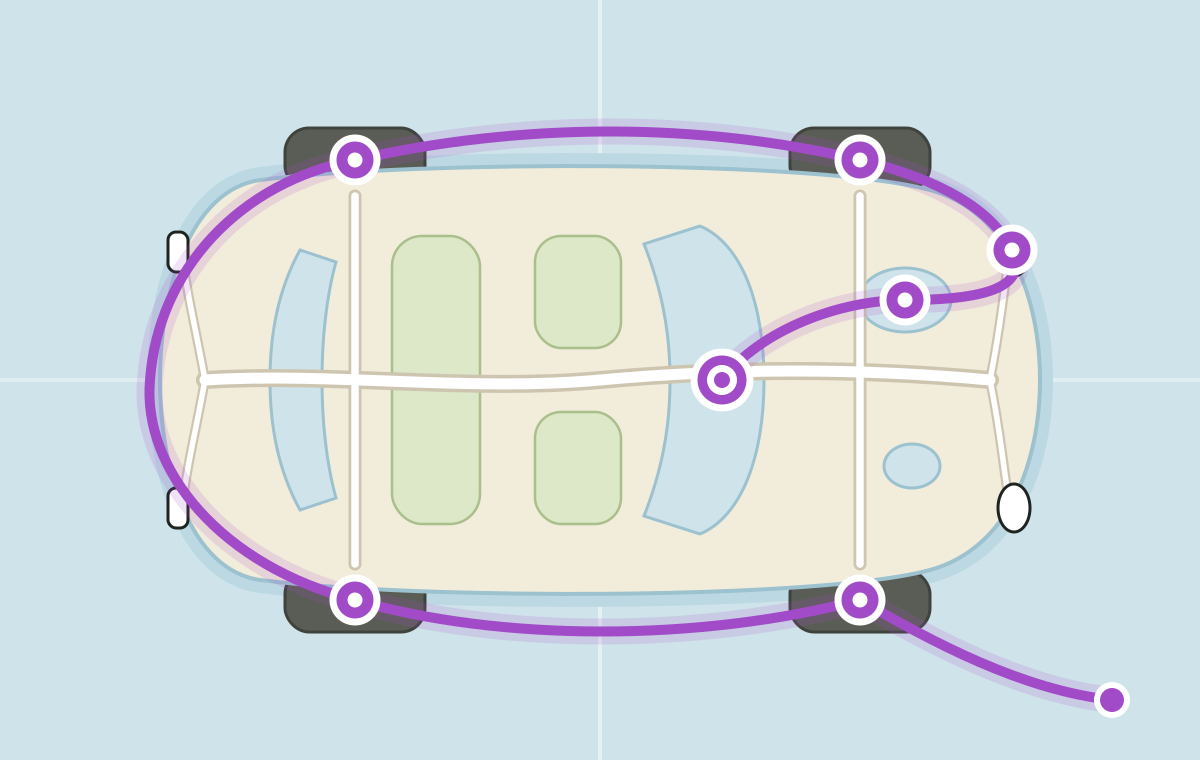
From the driver’s seat, a car can feel like a closed box: you press a button or turn a key, and it moves. Inside, it is a handful of systems that pass energy from one to the next. In this guide we’ll ride along with that energy, from the place where it waits to the tyres on the road.
At each stop you’ll see how the system works, what changes in a hybrid or electric car, and one thing you can check yourself. You won’t need tools. Keep your car’s manual close by: it has your own car’s figures, and it will always have the last word.
The short answer: four groups of systems on one route
A car turns stored energy into turning wheels. Every part of it makes the motion, carries it to the road, lets you steer and slow down, or keeps the other parts working. The route ahead visits eight systems, in this order.
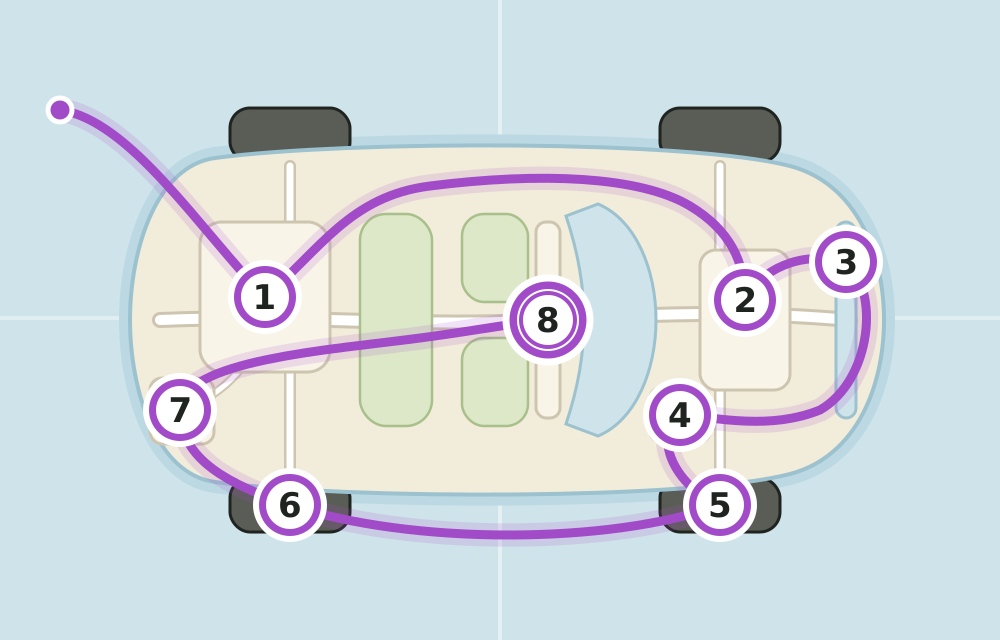
- The energy store: the fuel tank, the drive battery, or both.
- The engine or the electric motor.
- Cooling and oil.
- The gearbox and the shafts.
- Tyres, springs and steering.
- The brakes.
- The 12-volt system.
- The dashboard.
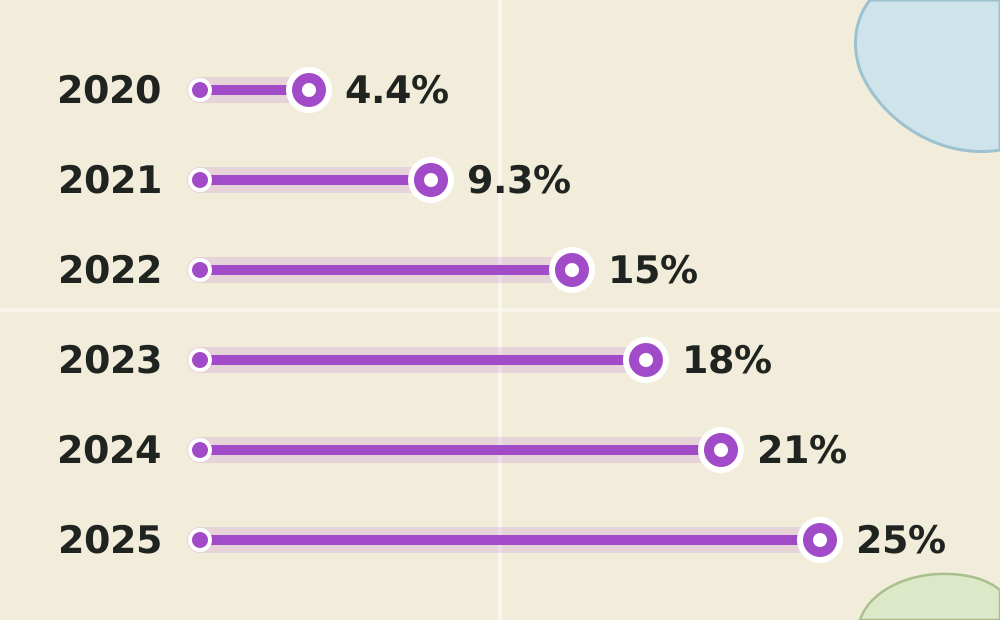
Three kinds of car share the road now: petrol or diesel, hybrid and electric. Worldwide, one in four new cars sold in 2025 was electric (battery-electric or plug-in hybrid), up from fewer than one in twenty in 2020.
Where the energy waits: the tank, the battery or both
You’ll start where the energy waits. In a petrol or diesel car, fuel goes in through the filler, waits in the tank, and a pump sends it to the engine. An electric car keeps electricity in a large drive battery, filled through the charge port. On an ordinary supply, an on-board charger turns the alternating current into the direct current the battery stores. A plain hybrid can’t be plugged in: its engine and its braking charge a small battery as you drive. A plug-in hybrid also has a charge port.
| Along the route | Petrol or diesel | Hybrid | Electric |
|---|---|---|---|
| Where the energy waits | Fuel tank | Fuel tank and a small drive battery | Large drive battery |
| What turns the wheels | Engine | Engine and motor; in one design, the motor alone | Motor |
| Gearbox | Several ratios, or stepless | Varies by design | One fixed gear in most cars |
| How it slows | Friction brakes | The motor first, then friction brakes | The motor first, then friction brakes |
| What feeds the 12-volt system | Alternator | DC/DC converter | DC/DC converter |
| What is kept at temperature | Engine | Engine, battery and electronics | Battery, motor and electronics |
| Exhaust | Yes | Yes | None |
| Where it takes on energy | Fuel filler | Fuel filler; a plug-in hybrid also has a charge port | Charge port |
One thing to check: use the fuel or the charging method your manual names. Nothing at this stop is yours to open.
Where it becomes motion: the engine or the motor
Next comes the part that makes the motion. An engine burns a little fuel in a lot of air (in a petrol engine, roughly 15 parts of air to 1 of fuel by weight), many times every second. Each cylinder repeats four strokes:
- Intake: the piston moves down and draws in air and fuel.
- Compression: the piston moves up and squeezes the mixture.
- Power: the mixture burns, and the hot gas pushes the piston down.
- Exhaust: the piston moves up and pushes the burnt gas out.
A petrol engine lights the mixture with a spark. A diesel engine squeezes the air until the fuel lights by itself. The exhaust carries the gas past the cabin, quietens it and cleans it in a catalytic converter or a particulate filter.
An electric motor turns by magnetism, with no burning and no exhaust. Three terms will help you read about it:
- Stator
- The part of the motor that stays still and makes a magnetic field.
- Rotor
- The part the field turns, which drives the shaft to the wheels.
- Inverter
- The electronics that turn the battery’s direct current into the alternating current the motor uses, and set how strongly it turns.
Hybrids differ: in many, the engine and the motor share the work; in one design, the engine only makes electricity for the motor.
One thing to check: nothing yet. The air filter is changed at a service, and a motor asks nothing of you. Your part is the oil, at the next stop.
Keeping it cool and oiled
Burning fuel makes more heat than motion, so an engine needs coolant to carry heat away and oil to keep its metal parts apart. A pump moves coolant around the cylinders, and a thermostat keeps it from the radiator until the engine is warm. The radiator then hands the heat to the air, helped by a fan when the car is slow or still. Coolant is water with an additive against frost, boiling and corrosion. The sealed circuit is under a little pressure, so the coolant typically boils only at about 115–130 °C.
Oil also carries heat, holds dirt for the filter and protects against corrosion. It wears out, so a service changes it: in many of today’s cars every 15,000–30,000 km (about 9,000–19,000 miles), or yearly if the car covers little distance. That range is typical only. Makers differ widely, and your manual decides.
Electric and hybrid cars manage temperature too. A drive battery works best and ages most slowly in a window of typically about 15–30 °C, so the car warms or cools it as needed.
One thing to check: the oil level, the way most manuals describe it.
- Park on level ground and switch off. Your manual says whether to check warm or cold, and how long to wait.
- Pull out the dipstick, wipe it and push it fully back in.
- Pull it out again and read the level between the two marks.
- Near the lower mark, top up a little at a time with the oil your manual names.
Some cars show the level on a display instead. Changing the oil or the coolant is done at a service.
From the engine to the wheels: the gearbox and the shafts
Next, you’ll follow the turning to the road. An engine pulls well only within a band of turning rates, and the gearbox keeps it there. When you pull away, the engine turns fast and the wheels turn slowly. When you cruise, the wheels turn fast and the engine turns calmly.
You’ll meet four families. A manual gearbox has a clutch pedal and a lever. A stepped automatic changes between fixed gears by itself. A continuously variable gearbox widens and narrows two pulleys joined by a steel belt, so the ratio changes without steps. A twin-clutch gearbox keeps the next gear ready on a second clutch. An electric motor pulls from a standstill, so most electric cars use one fixed gear.
Shafts then carry the turning to the driven wheels: the front pair, the rear pair or all four. In a bend the outer wheel travels further, so a differential lets the two wheels of a pair turn at different rates.
One thing to check: nothing, for you. Gearbox fluid is work for a qualified mechanic, on your manual’s service plan.
Four patches of rubber: tyres, springs and steering
Everything the car does reaches the road through four patches of rubber, each not much bigger than a hand. Tyres carry the car on air. Springs carry its weight, and dampers (shock absorbers) calm the bounce so the tyres stay on the road. The steering turns the front wheels, with an electric motor or a hydraulic pump to help your hands. This stop is the same in every kind of car.
Too little air lets the sidewalls flex and warm up, makes the car use more energy, and wears the tread’s outer edges early. Too much air wears a tyre early too.
Look at the tread and the sidewalls as you walk round. When the tread is level with the small raised bars in its grooves, the tyre is finished. A four-digit code on the sidewall gives the week and year it was made. One global tyre maker’s guidance (updated September 2025) suggests a yearly professional look after five years of use, and replacement as a precaution ten years after manufacture, the spare included.
Kerbs and potholes can knock the wheels out of line. Alignment, balancing and anything under a raised car are work for a qualified mechanic. Tyres for cold or warm months vary by market; your manual says which suit your car.
Slowing down: the brakes
Brakes turn motion into heat by friction. When you press the pedal, the brake fluid carries the push of your foot to all four wheels at once, where pads press on the turning discs or drums. The fluid slowly takes up moisture, which lowers its boiling point, so makers typically plan a change about every two years; your maker’s interval is the one that counts.
Antilock braking senses how fast each wheel turns. If one is about to stop turning, it eases the pressure on that wheel and restores it, so the car stays steerable. Stability control compares your steering with the car’s real movement 25 times a second. If they differ, it reduces engine power and, if needed, brakes single wheels.
In hybrid and electric cars, the motor slows the car first: it works as a generator and charges the battery. The friction brakes add the rest, mostly for strong braking and in the last moments before a stop.
One thing to check: notice a change, such as a pedal that feels different, a new noise or a warning lamp, and book the car in. Any work on the brakes is work for a qualified mechanic.
The 12-volt system: battery, alternator and everything with a switch
Beside the systems that move the car, you’ll find a small 12-volt system in every kind of car. It starts the car and powers the lights, the wipers, the screens, the 12-volt accessory socket and the control units.
In a petrol or diesel car, the 12-volt battery starts the engine. Then a belt-driven alternator powers everything electrical and recharges the battery. In a hybrid or electric car, a DC/DC converter does that work, feeding the system from the drive battery. The alternator and its belt are work for a qualified mechanic. The drive battery and its cables form a separate high-voltage system, and only specially qualified people work on it.
One thing to check: keep the lamps and the glass clean, change the wiper blades when they smear or judder, and keep the washer bottle filled with the fluid your manual names. A service checks the small battery.
How the car talks back: the dashboard, in one glance
Sensors on every system you’ve passed report to the dashboard. Its symbols and lamp colours follow an international standard, ISO 2575, which is why they look alike in cars of different makers. In most cars:
- Red: stop when you safely can, and look the lamp up in your manual.
- Yellow or amber: have it checked soon.
- Green or blue: something is switched on.
Each lamp points back to a stop on this route, such as a battery, a thermometer, an oil can or a tyre outline. Hybrid and electric cars add a few lamps of their own. Your manual’s table of lamps says what each one means in your car.
One thing to check: when a lamp you don’t know lights up, find its page in your manual.
The care each system asks for, and whose work it is
Here is every stop’s check in route order. The ranges are typical, from the suppliers’ pages in the sources below.
| System | What you can look at | Typical range | Work for a qualified mechanic |
|---|---|---|---|
| Energy store | The fuel or charging method your manual names | None | The drive battery and its cables |
| Engine or motor | Nothing | Air filter: as your manual plans | Everything inside them |
| Cooling and oil | Coolant level when cold; oil level | Oil: 15,000–30,000 km (about 9,000–19,000 miles) or yearly, in many cars | Changing the oil and the coolant |
| Gearbox and shafts | Nothing | Gearbox fluid: as your manual plans | Gearbox fluid and the shafts |
| Tyres, springs and steering | Cold pressures; tread and sidewalls | Pressures every two to four weeks; a yearly look after five years; replacement at ten | Alignment, balancing, anything under a raised car |
| Brakes | Notice a pedal that feels different, a new noise or a lamp | Brake fluid: about every two years | All work on the brakes |
| 12-volt system | Lamps, glass, wiper blades, washer fluid | Wiper blades: when they smear | The alternator and its belt |
| Dashboard | A lamp’s colour and its page in the manual | None | Finding the cause of a red or amber lamp |
The ranges here tell you what is usual. Your manual tells you what is right for your car.
One habit is kind to every stop at once: gentle starts and gentle stops.
Does an electric car still need a service?
Yes. It has no engine oil or exhaust, but its tyres, brakes, wipers, 12-volt system and battery cooling still need care, as its manual plans.
Where will I find my own car’s figures?
In the owner’s manual: the service plan, the tyre pressures, the fluids the car takes and the table of lamps.
Why does the coolant tank have marks?
Coolant takes up more room as it warms, and the space above the upper mark leaves room for it. With the engine cold, the level sits between the marks.
To see how we choose our sources and correct a guide, read our editorial policy. The About page tells you who writes Migo.
Sources
- Our World in Data, "Share of new cars sold that are electric" (data from the International Energy Agency’s Global EV Outlook 2026, updated 15 June 2026), seen 16 November 2026.
- Our World in Data, "Electric car sales" (first published 26 February 2024, updated with each edition of the IEA’s Global EV Outlook), seen 16 November 2026.
- Massachusetts Institute of Technology, "Unified: Thermodynamics and Propulsion, 3.5 The Internal combustion engine (Otto Cycle)" (undated course notes), seen 16 November 2026.
- Renault Group, "How does an electric car motor work?" (published 22 February 2021, updated 25 June 2025), seen 16 November 2026.
- Bosch Mobility, "Antilock braking system" (undated), seen 16 November 2026.
- Bosch Mobility, "Electronic stability program" (undated), seen 16 November 2026.
- Bosch Mobility, "Regenerative braking systems" (undated), seen 16 November 2026.
- HELLA Tech World, "Engine cooling – Basics" (undated), seen 16 November 2026.
- HELLA Tech World, "Brake fluid: important information and maintenance advice on changing the brake fluid" (undated), seen 16 November 2026.
- HELLA Tech World, "Exhaust system: Components and design" (undated), seen 16 November 2026.
- HELLA Tech World, "Checking the alternator" (undated), seen 16 November 2026.
- HELLA Tech World, "Thermal management in electric and hybrid vehicles" (undated), seen 16 November 2026.
- Nissan Motor Co., "First generation e-POWER (e-POWER system)" (undated), seen 16 November 2026.
- Nissan Motor Co., "XTRONIC CVT" (undated), seen 16 November 2026.
- Continental Tires, "Tire pressure" (undated), seen 16 November 2026.
- Michelin, "How long do tyres last?" (published 15 May 2025, updated 5 September 2025), seen 16 November 2026.
- Repsol Lubricants, "How often do I need to change the oil in my car and motorcycle?" (19 March 2026), seen 16 November 2026.
- Swedish Institute for Standards, "ISO 2575:2021 Road vehicles — Symbols for controls, indicators and tell-tales" (ninth edition 2021, amended 2024), seen 16 November 2026.